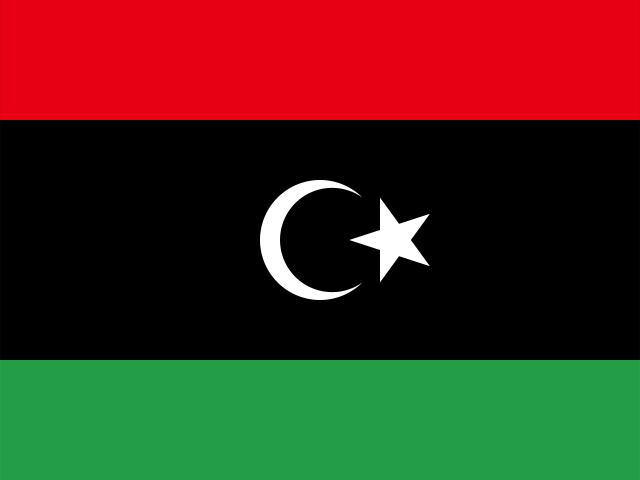
 Your salary in gold in Libya: what it has lost since 2015
In Libya's currency, an ounce of gold multiplied by 15.0 between the end of 2014 and 2025. Official consumer prices rose 125% over the same years. A salary that only kept up with official inflation buys 85% less gold than it did at the end of 2014.
Why measure a salary in gold
A raise is counted in the same money that is being created without limit. Gold cannot be printed, so it works as a ruler that no central bank can stretch. Measured with that ruler, a salary of 100 at the end of 2014 needs to be 1,500 in 2025 to buy the same weight of gold in Libya. The official price index says 225 was enough.
The distance between those two numbers is not in any statistic. It is the part of the pay rise that was only the currency getting smaller.
Libya against the rest
Gold a salary buys in 2025 against the end of 2014, if the salary rose exactly with official inflation.
Its neighbours in the ranking
| # | Country | Gold, local money | Official prices | Salary in gold |
|---|---|---|---|---|
| 7 |  Egypt | ×25.0 | ×5.0 | −80% |
| 8 |  Uzbekistan | ×19.6 | ×3.3 | −83% |
| 9 |  Ghana | ×15.6 | ×5.5 | −65% |
| 10 | Libya | ×15.0 | +125% | −85% |
| 11 |  Zambia | ×14.8 | ×3.7 | −75% |
| 12 |  Ukraine | ×12.6 | ×4.2 | −66% |
| 13 |  Belarus | ×10.8 | +135% | −78% |
Source: gold, year-end London price in dollars (Damodaran yearly returns anchored to the last London price). Exchange rates and consumer prices: World Bank Open Data (PA.NUS.FCRF, official rate, yearly average; FP.CPI.TOTL), 2014 to the latest year published for each country (2025). Where an official rate is held away from the market rate, the real loss is larger than shown.
Educational content built on public data. It is not investment or tax advice or a personal recommendation, and it does not know your situation.